A while ago, we told you about the best onsen resort towns in Japan. These are well-known, popular hot spring baths that anyone with a pulse and an Internet connection can find. That was uninteresting to me. If anyone can find them, then what's the point? (well, besides relaxation and extreme pampering, that is.)
- 秘湯(ひとう)
- SECRET ONSEN
Usually, these popular onsen towns are expensive and crowded. So I got to work on finding hot spring baths that are unknown; the kinds of places shared between hardcore onsen otaku on the onsen darknet.
A lot of emails, some light torture, and a couple of bribes later, I had my list of secret onsen, which I'll be referring to as hitou 秘湯 from here on out.
秘 – "secret" (pronounced "hi" ひ)
湯 – "bath" or "hot water" (pronounced "tou" とう or "yu" ゆ)
Hitou are tough to get to and they can be dangerous depending on the location. At best, getting to one involves several transfers and modes of transportation. More likely though, you'll have to take a train, a bus, and then hike for several hours. So even though I'm revealing the locations to you, it can still be difficult to get to them.
But if you do make it to a hitou, you're basically guaranteed your own private onsen, surrounded by a stunning nature scene in every direction.
A NOT-SO-FRIENDLY WORD OF WARNING:
If you do go, I implore you to do extra research as well. And make sure you're prepared. Transportation can be less than ideal, and cell signal will likely be nonexistent. If you're hiking, bring the right gear (i.e. towels, headlamps, bug spray, snacks, etc). Do your research on surviving bear attacks (seriously, depending on where you go). And, because these onsen are mostly "wild," there may not be a temperature control system. You can get scalded, or even boiled, if you're not careful. Use common sense and be careful! We're not responsible if you die or get injured!
Still want to dip your toe in after all that? Let's put on our hiking boots (then take them off again when we get there) and look at Japan's ten best hitou.
OKUOKU HACHIKURŌ ONSEN: "WILD ONSEN HOLES"
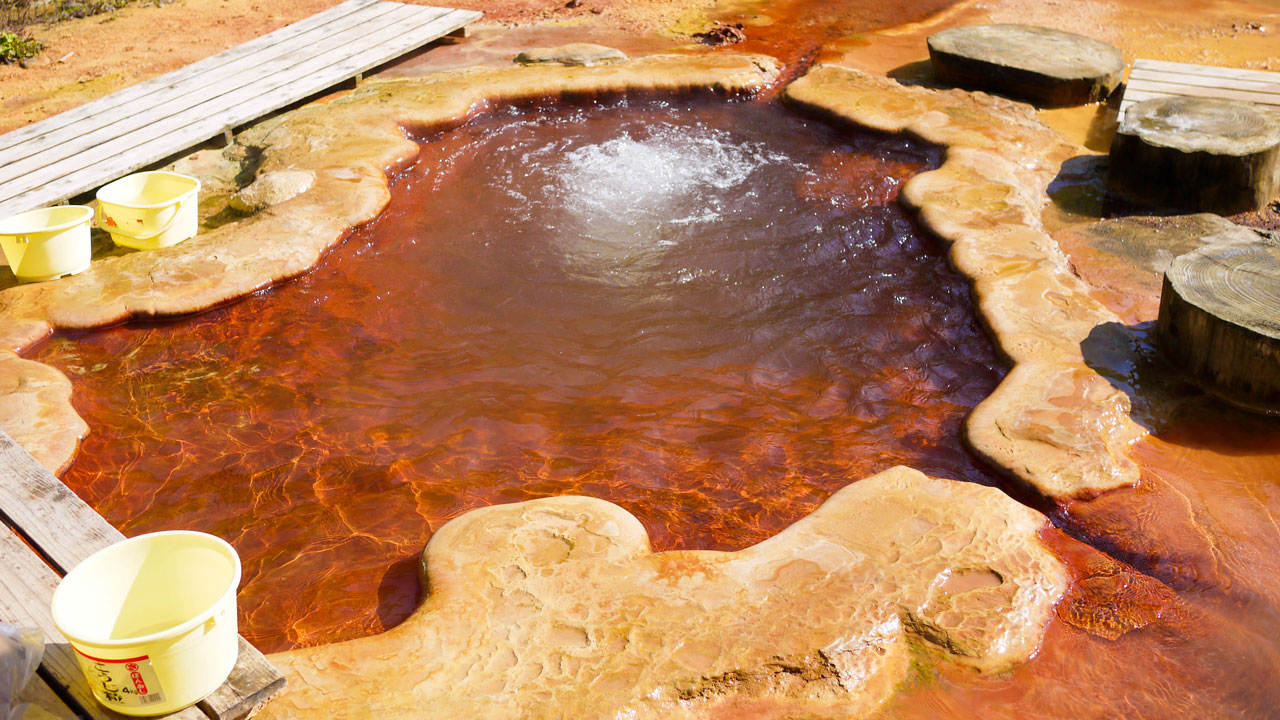
Okuoku Hachikurō Onsen 奥奥八九郎温泉 is a wild hitou discovered in 1974 when scientists were researching black ore. The water gushing from this hot spring is probably too hot for most (around 44 °C / 111 °F), so don't blame us if you get (literally) burned. However, if you can handle it, the carbon dioxide shoots up from the bottom, acting as a natural jacuzzi and it can be quite a remarkable experience.
If this hole is too hot you can find other holes in the area, so pick the one that works best for you. No matter which one you choose, the surrounding national forest sports beautiful and relaxing view of the woods.
Pro Tips
- Avoid this hitou during summer because horseflies love the smell of carbon (and they can get bitey).
- Autumn is the best season thanks to the colors of the forest leaves.
- It's a totally "wild" onsen, so it's okay if you wear a swimsuit or bath towel.
- It's mixed gender.
- This secret onsen can be reached by car.
- From some comments on the Internet, it seems to have had been roped-off by local residents for a while because of visitors' bad manners. So do your research first before you visit (and don't become the reason they close it off again!).
ADDITIONAL INFORMATION:
Address:
〒018-5200 秋田県鹿角市小坂町小坂
Kosaka, Kosakamachi, Kazuno, Akita Prefecture 018-5200, Japan
📍 MAP
Access:
〒018-5200 秋田県鹿角市小坂町小坂
Kosaka, Kosakamachi, Kazuno, Akita Prefecture 018-5200, Japan
📍 MAP
Access:
- From Morioka Station, Tohoku Jidoshado (118 km, 1h 50min)
TAKAMINE ONSEN: "HITOU ABOVE THE CLOUDS"
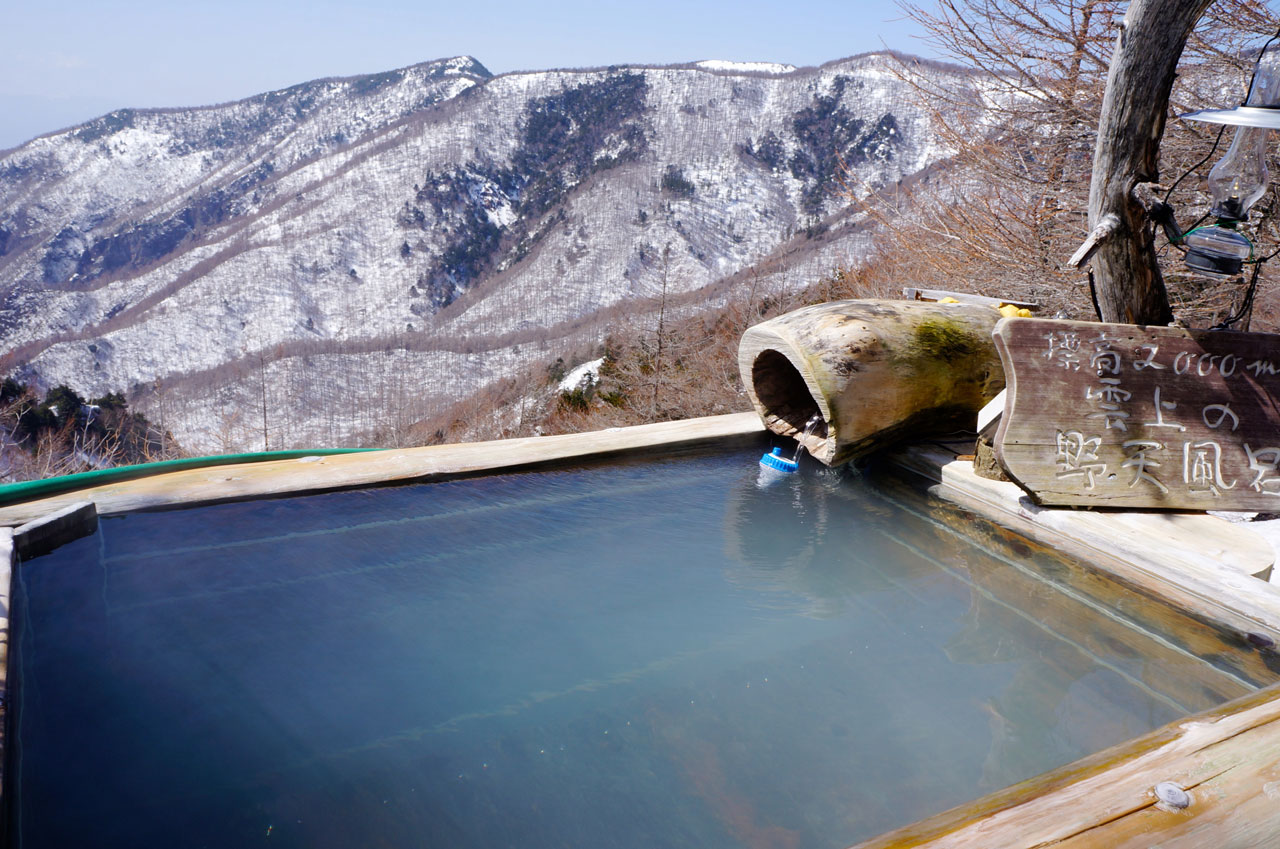
IF YOU DECIDE TO STAY FOR A NIGHT (OR TWO OR THREE), YOU CAN SEE BA-JA-BA-JILLIONS OF STARS.
Takamine Onsen 高峰温泉 is a hitou 6,560 feet above sea level. You can actually look down at the clouds while soaking. The Takamine Onsen is part of a hotel of the same name, so you can either stay at the hotel or walk in during business hours to gain access. Even if you don't spend the night there, it's a great spot to pop in for a bit of relaxation in between hiking, snowshoeing, or skiing in the winter. Not only do you get a splendid view of the mountains, you'll also see wild alpine plants and animals you won't find in any city, thanks to the high elevation.
Pro Tips:
- If you decide to stay for a night (or two or three), you can see ba-ja-ba-jillions of stars. Stargazing sessions (telescopes provided) are hosted by the hotel.
- Despite being in the middle of nowhere, this hotel has Wi-Fi. But why would you ruin the relaxation by spending any of your time Snapchatting?
- Compared to the other secret onsen, it's surprisingly easy to access. You can hop on an express bus from Shinjuku station to take you to the hotel directly. They also offer a snow vehicle shuttle service from a nearby ski resort during winter.
ADDITIONAL INFORMATION:
Website: Takamine Onsen
Telephone: (+81) 0267-25-2000
Address:
〒384-0041 長野県小諸市高峰高原
Takamine Kogen, Komoro, Nagano Prefecture 384-0041, Japan
📍 MAP
Access:
Telephone: (+81) 0267-25-2000
Address:
〒384-0041 長野県小諸市高峰高原
Takamine Kogen, Komoro, Nagano Prefecture 384-0041, Japan
📍 MAP
Access:
- From Shinjuku Station, JR Bus (4hrs)
- From Sakudaira Station, JR Bus (1hr)
- For more details, visit Takamine Onsen's access page
SHIKARIBETSUKYO ONSEN SHIKANOYU: "WILD ONSEN BY THE RIVER"
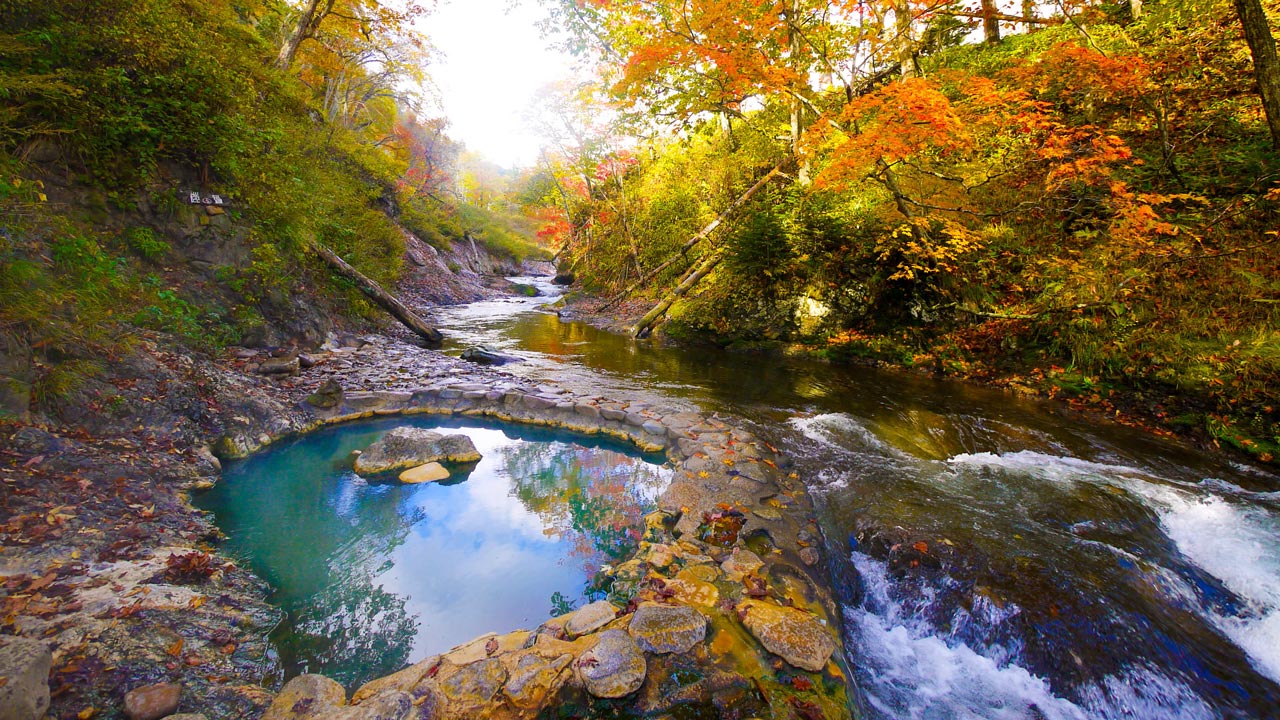
Shikaribetsu Onsen Shikanoyu 然別峡温泉 鹿の湯 is a natural outdoor onsen that is available only from July 1st to September 30th (this is when it is cleaned and maintained). It is green in color, which indicates it has a high concentration of mineral deposits. This hitou is located next to a river and is surrounded by forests. The feeling of "wilderness" is strong with this one.
Pro Tips:
- This hitou is located within a camp site. You can stay here for ¥250 a night. Bring your own gear though.
- This is a "wild" onsen, so you are allowed to wear a swimsuit.
- It is, of course, mixed gender.
- Great to visit with friends who are on summer vacation!
- This hitou has a history of suddenly closing due to bears and typhoons (not to mention bearphoons). Please check the campground's website or contact them in advance to make sure it's open.
ADDITIONAL INFORMATION:
Website: Shikaoi Town Tourism Association
Telephone: (+81) 0156-66-4034
Address:
〒081-0200 北海道河東郡鹿追町然別峡
Shikaribetsukyo, Shikaoicho, Kato, Hokkaido Prefecture 081-0344, Japan
📍 MAP
Access:
Telephone: (+81) 0156-66-4034
Address:
〒081-0200 北海道河東郡鹿追町然別峡
Shikaribetsukyo, Shikaoicho, Kato, Hokkaido Prefecture 081-0344, Japan
📍 MAP
Access:
- From Tokachi-Obihiro Airport(OBO), Obihiro Hiro Jidoshado (86.5 km, 1h 40min)
UBAYU ONSEN MASUGATAYA RYOKAN: "HITOU OF THE OLD MOUNTAIN HAG"
- 山姥(やまんば)
- OLD MOUNTAIN HAG
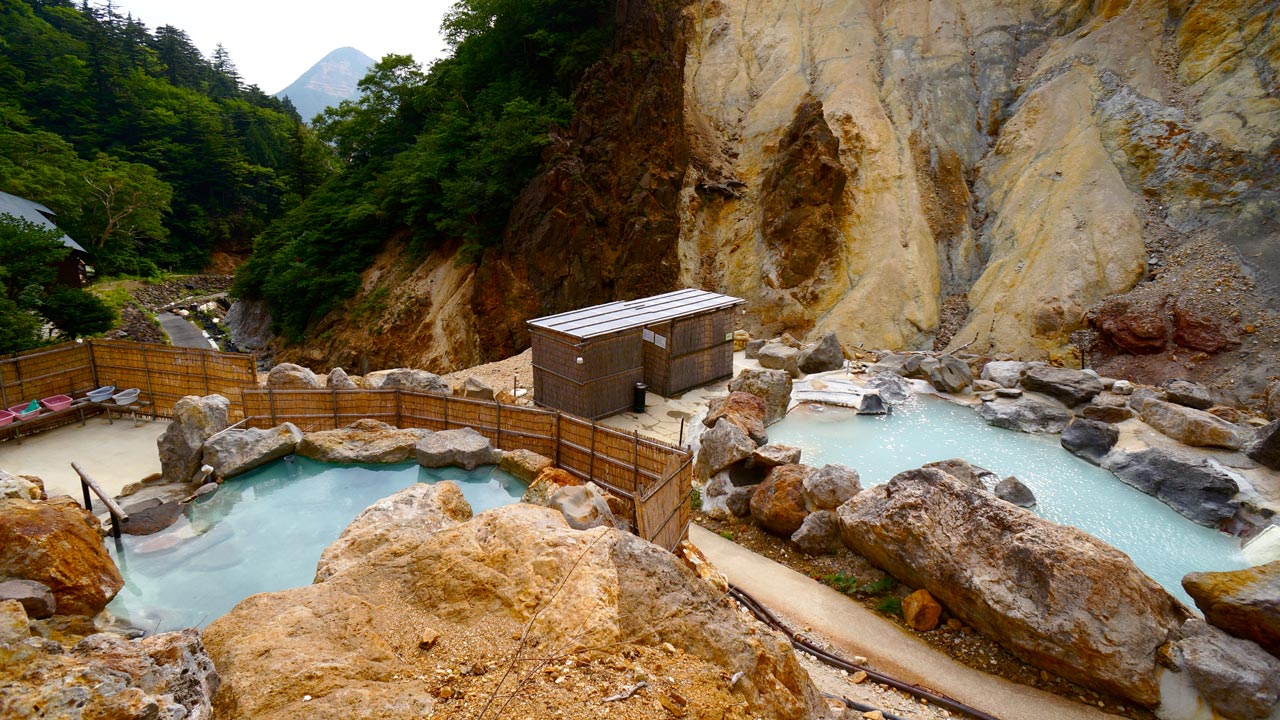
Ubayu Onsen Masugataya Ryokan 姥湯温泉 桝形屋旅館 is a historical hotel run by a 17th generation owner. They have two open-air baths, and the one with milky blue water (pictured above on the right) is called the bath of the yamanba 山姥 (old mountain hag). Yamanbas are featured in many Japanese folktales, and it's said they eat people in the mountains.
According to a legend told by the hotel's first owner, who was a miner, he stumbled upon the hitou while looking for a mineral vein. He got captured by a yamanba who told him to guard the bath. I guess he took yamanba lemons and made lemonade, because now there's a hotel there.
Pro Tips:
- Be sure to enjoy the surrounding cliffs. Most bathers find them breathtaking. They also look like they're about to collapse on you at any moment.
- Both open-air baths are mixed gender, but you're allowed to wrap your body with a bath towel.
- Non-hotel guest walk-ins are welcome between 9:30am and 3:30pm, but as always, be sure to contact the hotel ahead of time.
ADDITIONAL INFORMATION:
Website: Ubayu Onsen Masugataya Ryokan
Telephone: (+81) 0238-35-2633
Address:
〒992-1303 山形県米沢市大沢姥湯1
1 Osawa Ubayu, Yonezawa, Yamagata Prefecture 992-1303, Japan
📍 MAP
Access:
Telephone: (+81) 0238-35-2633
Address:
〒992-1303 山形県米沢市大沢姥湯1
1 Osawa Ubayu, Yonezawa, Yamagata Prefecture 992-1303, Japan
📍 MAP
Access:
- From Tokyo to Toge, JR Tohoku Shinkansen & JR Ou Line (2h 20min)
- From Toge, Shuttle service *Hotel guests only, need a reservation (25min)
- From Toge, walk (8km, 2h 20min) *The hiking route doesn't have service.
- From Tohoku Jidoshado Fukushima Iizaka I.C, R13 (1hr)
- For more details, visit Ubayu Onsen Masugataya Ryokan's access page
KAWARAGEJIGOKU ŌYUTAKI: "WILD WATERFALL ONSEN"
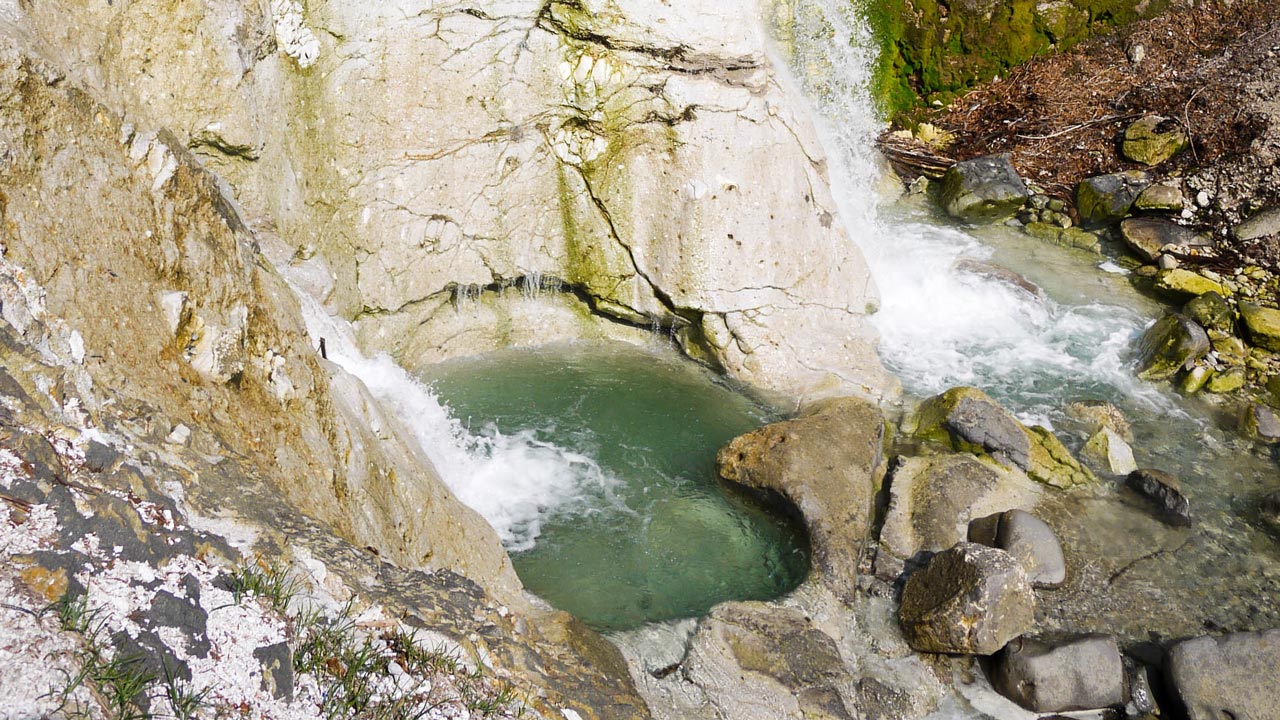
Kawaragejigoku Ōyutaki 川原毛地獄 大湯滝 is an especially rare hitou because it is also a waterfall. Hot springs flow from 0.6 miles away and mix with river water, before falling 65 feet into the bath. The acidity of the spring is so strong it can affect your skin or eyes, so make sure not to splash your friends.
Surrounding this secret onsen are gigantic rocks, and the area is known for volcanic activity. Save some time to walk around. This area, called as Kawaragejigoku, is one of the three greatest spiritual spots in Japan.
Pro Tips:
- This wild onsen is mixed gender, so bring a swimsuit.
- Summer is the best time to visit because of the temperature of the water. It's a little on the lukewarm side, coming in at around 37.78ºC / 100ºF, but it can get even cooler after a rainfall.
- This hitou is generally roped-off between November and the beginning of May. Be sure to check ahead of time.
ADDITIONAL INFORMATION:
Website: Yuzawa City
Address:
〒019-0404 秋田県湯沢市高松川原毛
Kawarage, Takamatsu, Yuzawa, Akita Prefecture 019-0404, Japan
📍 MAP
Access:
Address:
〒019-0404 秋田県湯沢市高松川原毛
Kawarage, Takamatsu, Yuzawa, Akita Prefecture 019-0404, Japan
📍 MAP
Access:
- From Tokyo Station to Yuzawa Station, JR Akita Shinkansen & Ou Line (4h 20min)
- From Yuzawa Station, R51 (26.3 km, 1h 23 min)
- From Kawarage Jigoku Parking, walk (15min)
OKUKINU ONSENKYŌ TESHIROSAWA ONSEN: "EXCLUSIVE RELAXATION AFTER A THREE HOUR HIKE"
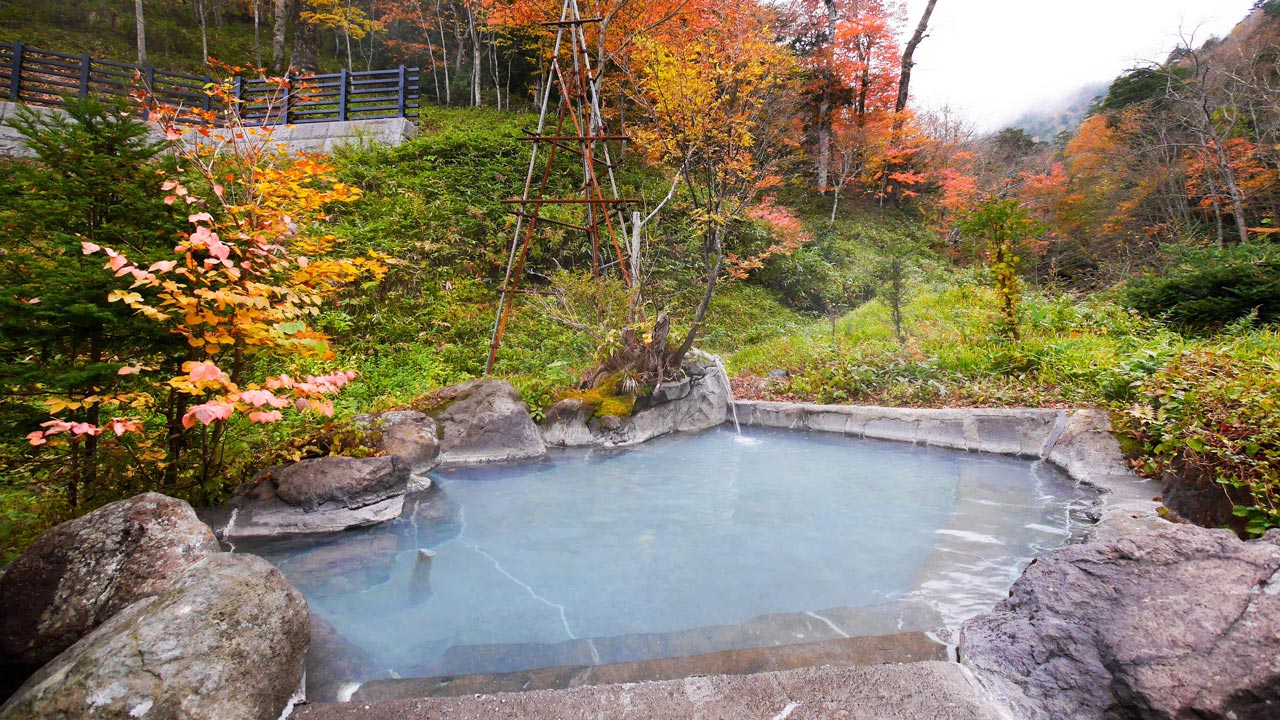
THE LIMITED CAPACITY MEANS YOU WILL GET A LOT OF PRIVACY AND A LOT OF SPACE, SO YOU CAN TRULY ENJOY THE SURROUNDING NATURE.
Okukinu Onsenkyo Teshirosawa Onsen 奥鬼怒温泉郷 手白澤温泉 is a hitou hotel located in Nikko National Park. Since you're not allowed to drive in the park, you'll have to hike for two or three hours from the closest bus stop. This is an easy, pleasant hike that will take you through forests of beech and oak alongside a clear, mountain stream. At the end you'll reach the Teshirosawa Onsen Hotel, where, hopefully, you'll have a reservation. They don't accept walk-ins so book ahead of time!
This hotel has four onsen (indoor and outdoor for each gender), but only six rooms for guests. The limited capacity (that's an enviable 3:2 room-to-onsen ratio!) means you will get a lot of privacy and a lot of space, so you can truly enjoy the surrounding nature. Even though this hotel is in the middle of nowhere, it is incredibly clean and well-maintained. You'll be in for a comfortable, luxurious stay.
Pro Tips:
- I did say you had to hike, but you can actually hail a Kawamata Taxi (local cab service) and get there for ¥15,000 (that's about $150 USD). It's a wagon style cab, so it might be a good option for large groups of people (ten people max per cab).
- Be sure to use the onsen at night to experience "a blanket of stars."
ADDITIONAL INFORMATION:
Website: Okukinu Onsenkyo Teshirosawa Onsen
Telephone: (+81) 0288-96-0156
Address:
〒321-2717 栃木県日光市川俣870-2 手白澤温泉
870 Kawamata, Nikko, Tochigi Prefecture 321-2717, Japan
📍 MAP
Access:
Telephone: (+81) 0288-96-0156
Address:
〒321-2717 栃木県日光市川俣870-2 手白澤温泉
870 Kawamata, Nikko, Tochigi Prefecture 321-2717, Japan
📍 MAP
Access:
- From Asakusa Station to Kinugawa Onsen Station, Tobu Line (2hrs)
- From Kinugawa Onsen Station to Meotobuchi Onsen Bus Stop, Nikko Municipal Bus (1h 35min)
- From Meotobuchi Onsen Bus Stop, walk (2h 30min)
- From Kinugawa Onsen Station, Kawamata Taxi
- For more details, visit Okukinu Onsenkyo Teshirosawa Onsen's access page
TENGU NO YU: "THE HITOU DISCOVERED BY TENGU"
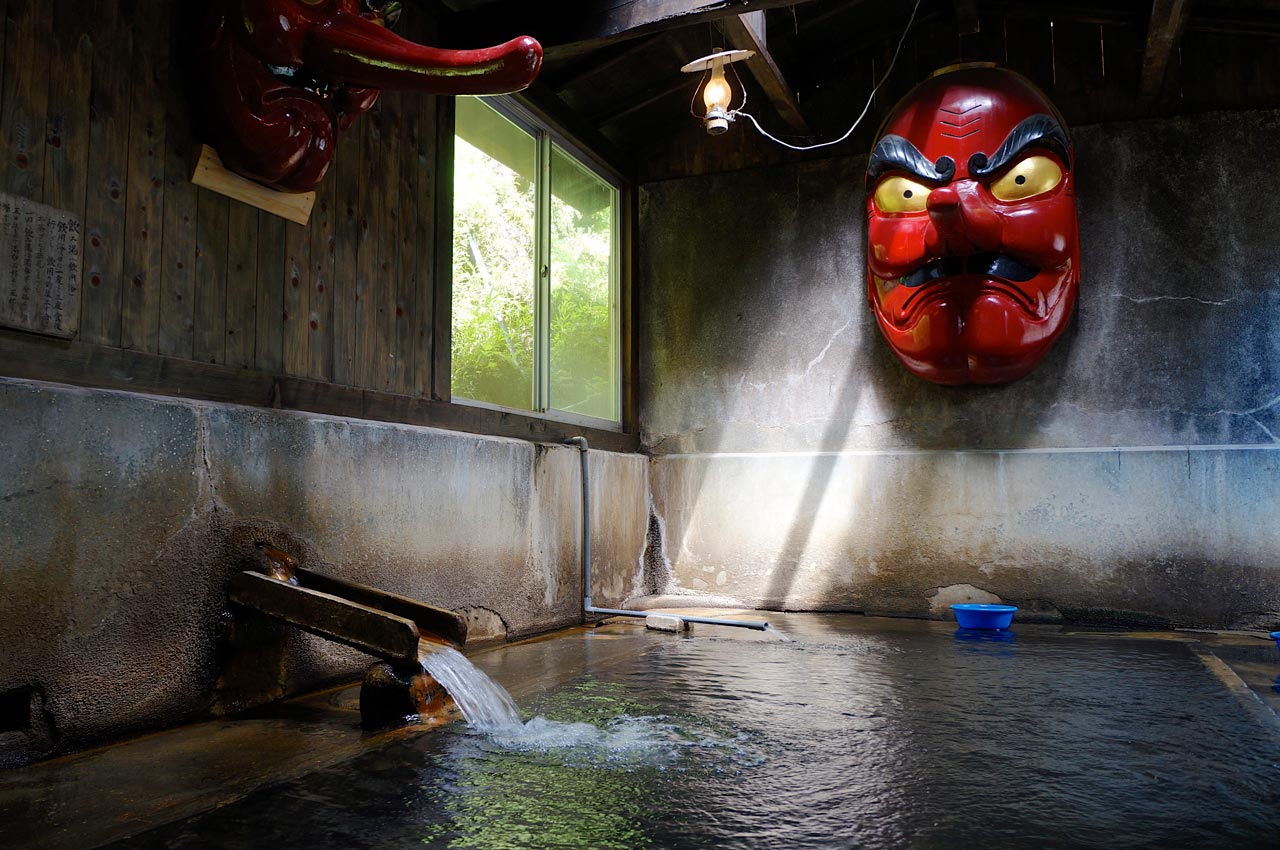
Tengunoyu 天狗の湯 is a mixed gender bath surrounded by tengu masks inside the Kita Onsen Ryokan. Apparently, this onsen was originally discovered by tengu over 1,200 years ago and the theme stuck ever since.
The hot spring itself is sourced from the mountain located directly behind the bathhouse. This means you'll be enjoying truly "fresh" hot water. It's also a perfect bath for those trying to conceive, since tengu are considered lucky when it comes to having healthy children.
Pro Tips:
- There are other baths here as well, including the huge outdoor "onsen pool."
- FYI: both genders can go in either, naked or not!
- There are old buildings around here, some of which are over 160 years old! They're interesting to look at if you feel like walking around.
ADDITIONAL INFORMATION:
Website: Kita Onsen Ryokan
Telephone: (+81) 0287-76-2008
Address: 〒325-0301 栃木県那須郡那須町湯本151
151 Yumoto, Nasu-machi, Nasu, Tochigi Prefecture 325-0301, Japan
📍 MAP
Access:
Telephone: (+81) 0287-76-2008
Address: 〒325-0301 栃木県那須郡那須町湯本151
151 Yumoto, Nasu-machi, Nasu, Tochigi Prefecture 325-0301, Japan
📍 MAP
Access:
- From Tokyo Station to Nasushiobara Station, JR Tohoku Shinkansen (1h 10min)
- From Nasushiobara Station to Kitayu Iriguchi Bus Stop, Toya Kotsu (1h 40min)
- From Kitayu Iriguchi Bus Stop, Walk (1km, 12min)
- From Tohoku Jidoshado Nasu IC, R17 (30min)
NYUTŌ ONSENKYŌ TSURUNOYU ONSEN: "MILKY ONSEN IN DEEP SNOW"
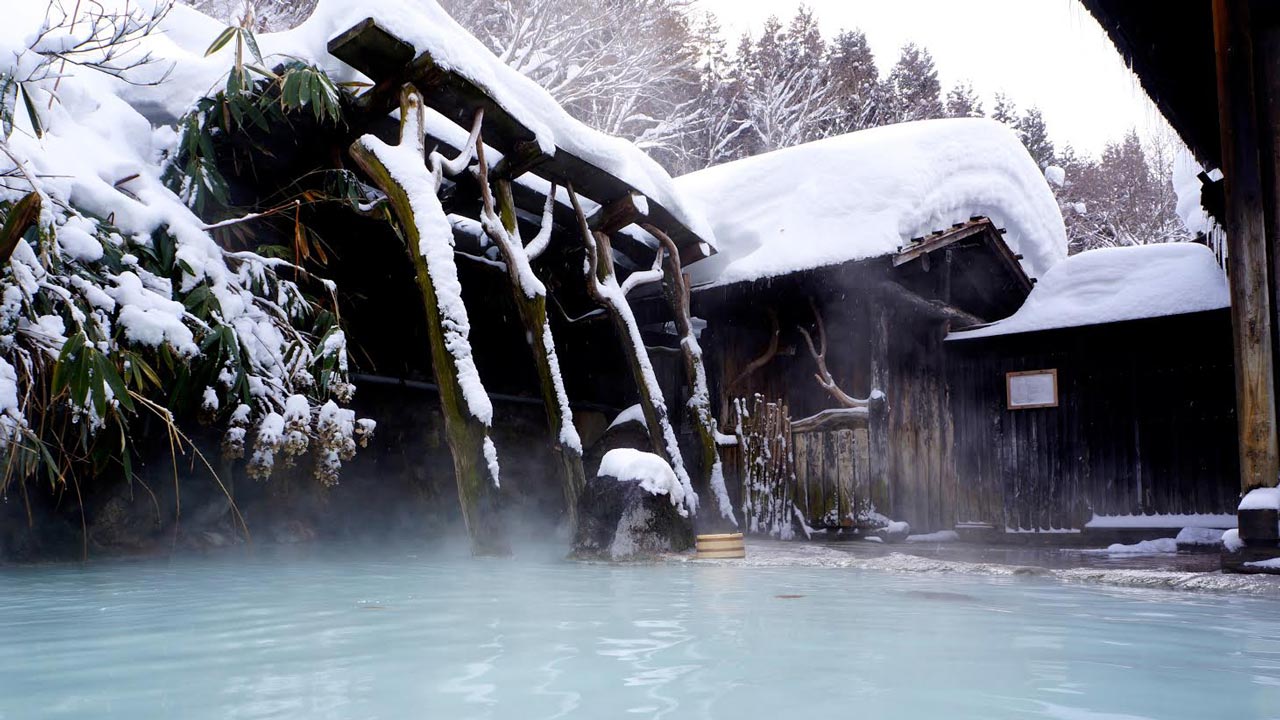
Nyutō Onsenkyō Tsurunoyu Onsen 乳頭温泉郷 鶴の湯温泉 is one of the oldest onsen in Nyutō Onsen village. It's even recorded in a document from the Edo period. Ironically, it's the most well-known hitou in Japan (so maybe it's not a hitou after all) as it's often featured on TV and in magazines. Popular YouTuber Sharla in Japan even introduced it on her channel.
Pro Tips:
- This resort has five different onsen, some indoor, some outdoor, fed by four separate springs.
- The main onsen is big and open-air, with milky white water, which is mixed gender (though there's another that is women-only).
- During the winter, I recommend soaking in the onsen while watching the snow fall.
- Non-hotel guests can use this onsen, but I think it's worth staying here if you can. The rooms and the food are worth the price of admission. They have classic irori fireplaces where they cook traditional meals using local ingredients.
HOUSHI ONSEN CHŌJUKAN: "WOODEN BATHHOUSE WITH AN EAST-MEETS-WEST AESTHETIC"
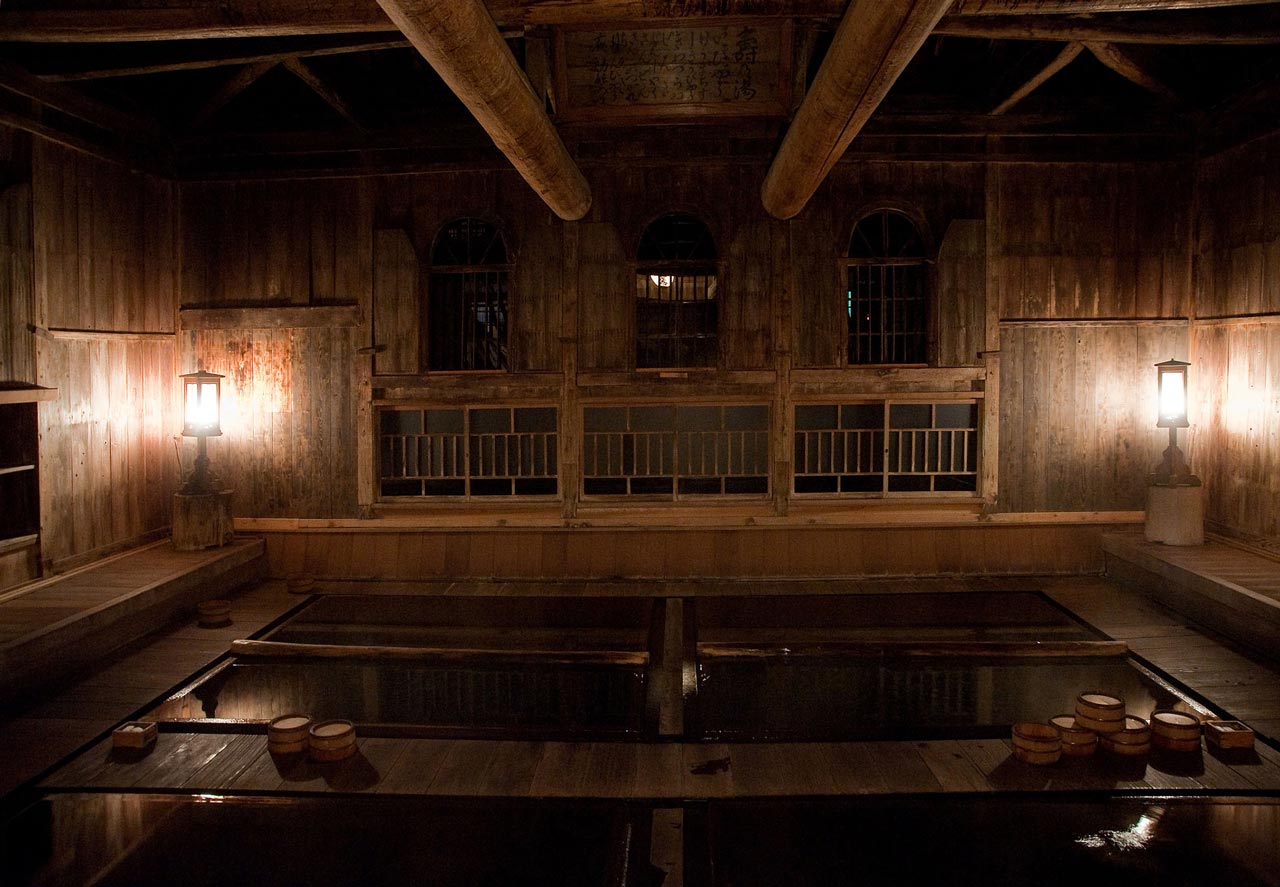
THE BOTTOM IS PAVED WITH STONES AND YOU CAN FEEL THE HOT SPRING GUSHING UP FROM BENEATH THEM.
Houshi Onsen Chōjukan 法師温泉 長寿館 is another "well-known" hitou in Japan. The wooden bathhouse and the hotel buildings are designated as 登録有形文化財 (a tangible cultural property). It was built in the Meiji period and has an East-meets-West sort of aesthetic. This makes the architecture alone a worthwhile experience.
There are six onsen in this bathhouse. The most popular is called Houshinoyu. The bottom is paved with stones and you can feel the hot spring gushing up from beneath them.
Pro Tips:
- Usually it is a mixed gender bathhouse and you're not allowed to wrap yourself with a towel.
- For two hours a night, it becomes women only.
- Walk-ins are sometimes accepted. It probably depends on the day. Don't forget to call ahead if you plan to visit without staying at the hotel. Actually, consider just staying here!
- Recently, it was featured in the movie Thermae Romae II and it's not too far from Tokyo. This has made it quite popular recently, and one might question its status as "hitou." Perhaps things will calm down at some point in the future, though, and it will become hitou again.
ADDITIONAL INFORMATION:
Website: Houshi Onsen Chōjukan
Telephone: (+81) 0278-66-0005
Address:
〒379-1401 群馬県利根郡みなかみ町永井650
650 Nagai, Minakami, Tone District, Gunma Prefecture 379-1401, Japan
📍 MAP
Access:
Telephone: (+81) 0278-66-0005
Address:
〒379-1401 群馬県利根郡みなかみ町永井650
650 Nagai, Minakami, Tone District, Gunma Prefecture 379-1401, Japan
📍 MAP
Access:
- From Tokyo Station to Jomokogen Station, JR Joetsu Shinkansen (1h 5min)
- From Jomokogen Station to Sarugakyo Bus Stop, Kanetsu Kotsu Bus (40min)
- From Sarugakyo Bus Stop to Hoshi Bus Stop, Minakami Town Bus (15min)
KOGANEZAKI FURŌFUSHI ONSEN: "GOLDEN ONSEN OF ETERNAL YOUTH TOUCHING THE SEA OF JAPAN"
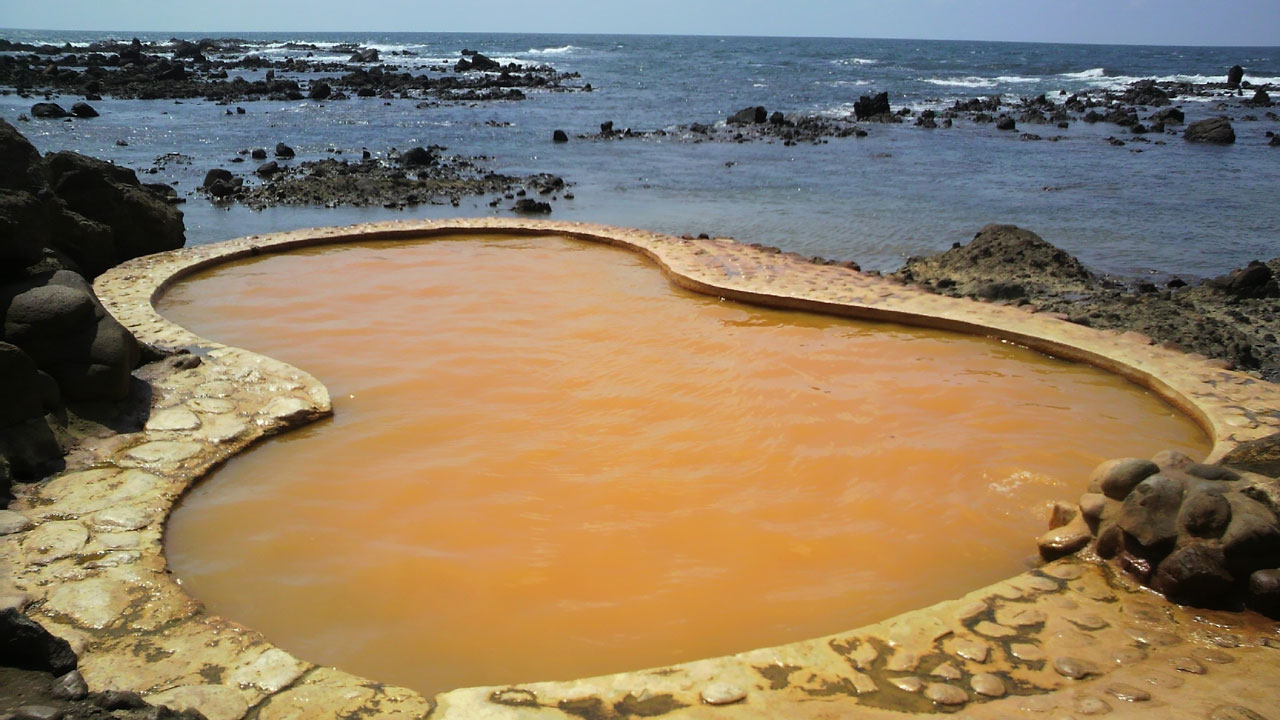
Koganezaki Furōfushi Onsen 黄金崎不老ふ死温泉 is a golden water hitou located right on the Sea of Japan. Needless to say, you get an incredible view of the ocean, especially when it turns gold at sunrise and sunset. When this happens, the border between the hitou and ocean disappears, and you feel like you're bathing in one giant sea of gold.
Part of this hitou's name is 不老不死, which means "eternal youth and eternal life." Presumably this comes from the water's golden color, which is caused by iron in the spring. The concentration is so great it acts as a disinfectant, and keeps you warm even after bathing. Some think iron helps you to live longer, too. Whatever the case, the view of the ocean is all I needed to be convinced to go here.
Pro Tips:
- This bath is owned by a hotel, but non-hotel guests can come as a walk-in customers and use it between 8:00am and 4:00pm.
- There are two open-air baths, one for both genders and one for women only.
- Unlike most mixed onsen, you are allowed to use a towel to wrap yourself even when inside the bath.
- Aside from a lot of fresh seafood, and this life-extending hitou, there's not much else around here. But, what else do you really need in life, right?
ADDITIONAL INFORMATION:
Website: Koganezaki Furōfushi Onsen
Telephone: (+81) 0173-74-3500
Address:
〒038-2327 青森県西津軽郡深浦町大字舮作字下清滝15
15-1 Shimokiyotaki, Henashi, Fukaura-machi, Nishitsugaru-gun, Aomori Prefecture 038-2327, Japan
📍 MAP
Access:
Telephone: (+81) 0173-74-3500
Address:
〒038-2327 青森県西津軽郡深浦町大字舮作字下清滝15
15-1 Shimokiyotaki, Henashi, Fukaura-machi, Nishitsugaru-gun, Aomori Prefecture 038-2327, Japan
📍 MAP
Access:
- From Tokyo to WeSPa Tsubakiyama, JR Akita/Tohoku Shinkansen & JR Gono Line (7hrs)
- From WeSPa Tsubakiyama to Koganezaki Furōfushi Onsen, Shuttle bus
- From JR Shin-Aomori Station to Koganezaki Furōfushi Onsen, Shuttle bus (3hrs)
- From Aomori City, R101 (2h 30min)
- For more details, check Koganezaki Furōfushi Onsen's access page.
As you read about these hitou, you may be thinking: "But now it's not a secret anymore! You've ruined it, Kanae!" Well, perhaps you are right. But to me, it's not the same as revealing a secret local restaurant in Tokyo that anyone can go to easily.
Hitou, by their very nature, are all difficult to get to. Most people won't go through the trouble to get there even if they do know about them. Only the most motivated people will go. If that's you, then I'm really happy I was able to help lead you to such a unique experience. If you successfully reach any of these hitou, you deserve it.